Latest News
News list
-
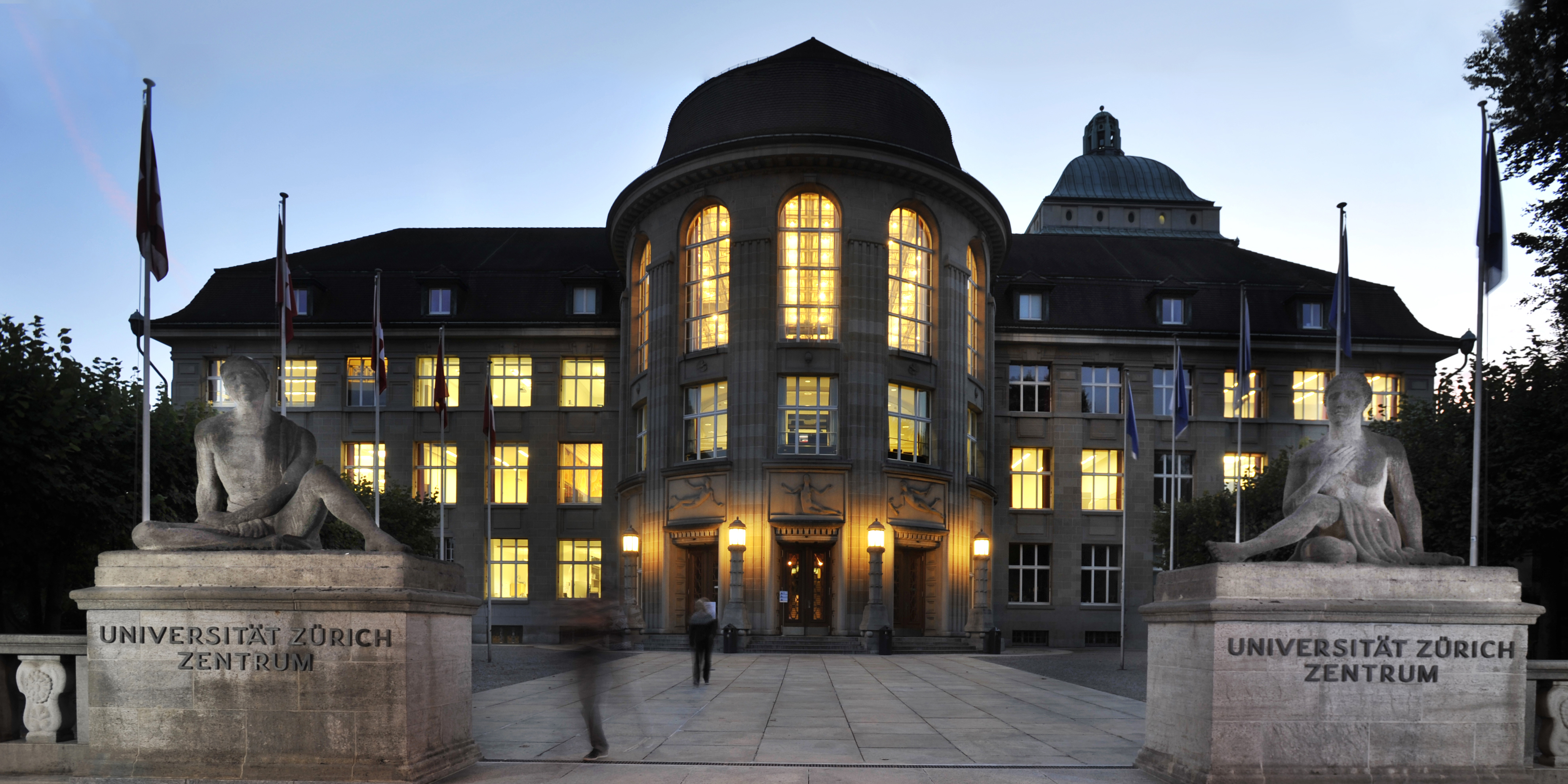
Senior Teaching and Research Assistant (Oberassistenz) for International Space Law and Law of the Sea at UZH Faculty of Law (full-time)
Are you a junior researcher who wishes to pursue a habilitation in the field of international space law and is aiming for an academic career? The Schindler Centre for International Law has a newly created position to be filled as of November 1, 2026 (or by agreement). Application deadline: September 15, 2026.
-

UZH at the 2026 Swiss-Korean Innovation Week: Exploring the Universe Across Scales
From June 9 to 13, 2026, the Swiss-Korean Innovation Week (SKIW) brought together researchers, innovators, diplomats, and industry representatives in Seoul to explore new opportunities for collaboration between Switzerland and South Korea. The University of Zurich (UZH) was represented by two leading researchers: Laura Baudis, Professor of Physics, and Ravit Helled, Professor of Theoretical Astrophysics and Director of UZH Space, who both contributed to key scientific sessions.
-

ESA Mission to Explore Understory Biodiversity
The HiBiDiS mission aims to provide new insights into forest understory biodiversity, answering key questions about its composition, the state of ecosystems, the global carbon cycle and climate change. UZH is participating in the mission as a scientific partner.
-

Launch your Space Career: Meet ESA and Swiss Space Companies
UZH Space, in collaboration with Space Exchange Switzerland, recently hosted the event “Launch Your Space Career: Meet ESA & Swiss Space Companies”, bringing together students and early-career professionals with representatives from ESA and Swiss space ecosystem. Participants gained valuable insights into career pathways ranging from ESA programmes to opportunities in industry, complemented by career talks, Q&A sessions, and direct networking opportunities.
-

Probing supermassive black holes: simulations reveal a new pattern in torn-apart stars
Supermassive black holes are among the largest objects in the Universe, yet most of them remain effectively invisible. Now, simulations conducted by Lucio Mayer’s team at the University of Zurich, together with colleagues in Italy, the UK, and the US, on CSCS’s Alps supercomputer using the new GPU-based code SPH-EXA, show in unprecedented detail how a star is torn apart by a black hole, producing a signal that can reveal its presence. The results also identified a previously unseen pattern that may help detect these hidden giants in the future.
-
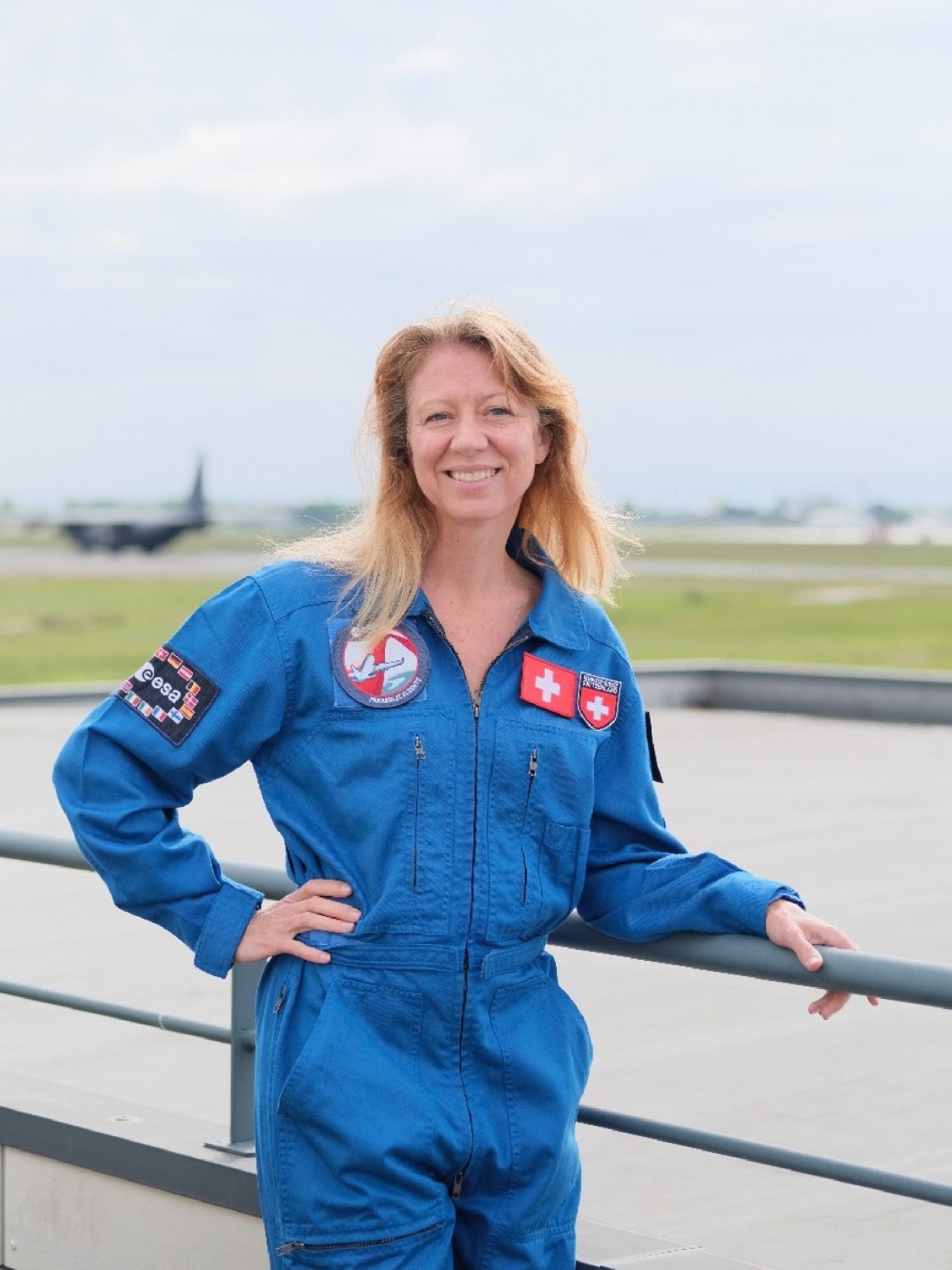
From dust to planets: a turbulent story
How does fine dust aggregate into building blocks that ultimately form entire planets like our Earth? A research team led by the University of Bern, with the participation of ETH Zurich, the University of Zurich and the National Center of Competence in Research (NCCR) PlanetS has provided the first experimental evidence – obtained during parabolic flights in zero gravity – that a key physical process, known as shear-flow instability, actually occurs under conditions similar to those in planet formation regions. The study thus addresses an important gap in our understanding of the very first steps of planet formation.
-

Meet a Scientist: Dr. Gabriele Cugno
UZH astronomer Dr. Gabriele Cugno is one of a few researchers in Switzerland working with data from the James Webb Space Telescope (JWST), one of the most powerful space-based telescopes ever built. In this interview, he talks about his work detecting moon-forming disks around young exoplanets and using molecular mapping to study their composition, shedding light on how moons and giant planets form and what this tells us about the origins of planetary systems like our own.
-
.png.png)
Meet a Space Scientist: Prof. Dr. Jan B. Schmutz
UZH psychologist Prof. Dr. Jan B. Schmutz studies the human factors that will shape the future of space exploration. In this interview, he discusses how isolation, confinement, team dynamics, and human–AI collaboration influence astronaut performance and well-being during long-duration missions. Drawing on research conducted in Antarctica and other space analog environments, he highlights what it will take for humans to successfully live and work together on future missions to the Moon, Mars, and beyond.
-
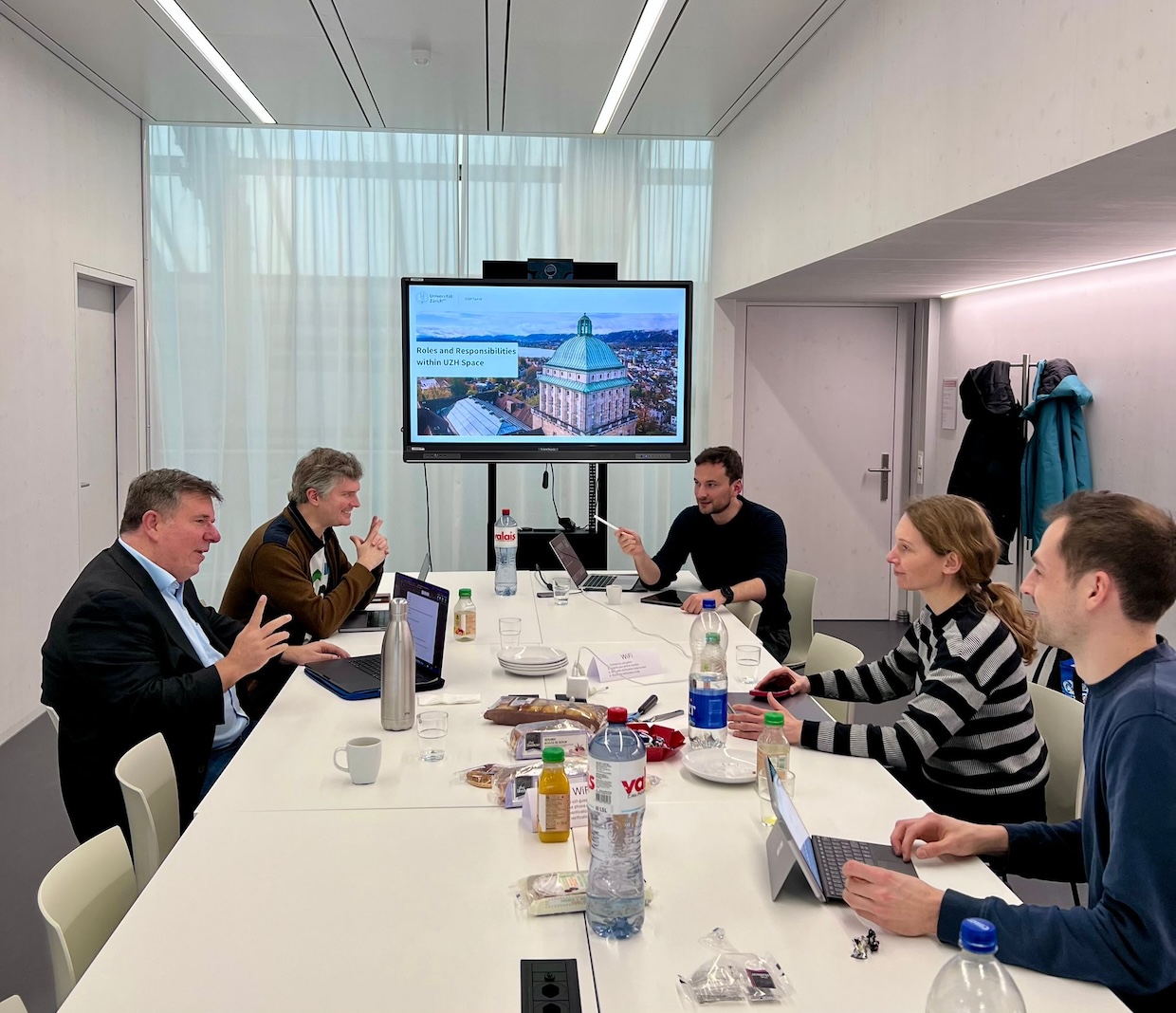
First UZH Space Representative Meeting
The first UZH Space Representative Meeting was held on Thursday, Feb. 19, 2026, at the UZH Space Hub’s Hangar 4 at Dübendorf Airfield. The meeting brought together representatives from different research areas and faculties to discuss organisational matters, receive updates on ongoing initiatives, and brainstorm ideas to strengthen cross-faculty collaboration, including joint events and new formats.
-
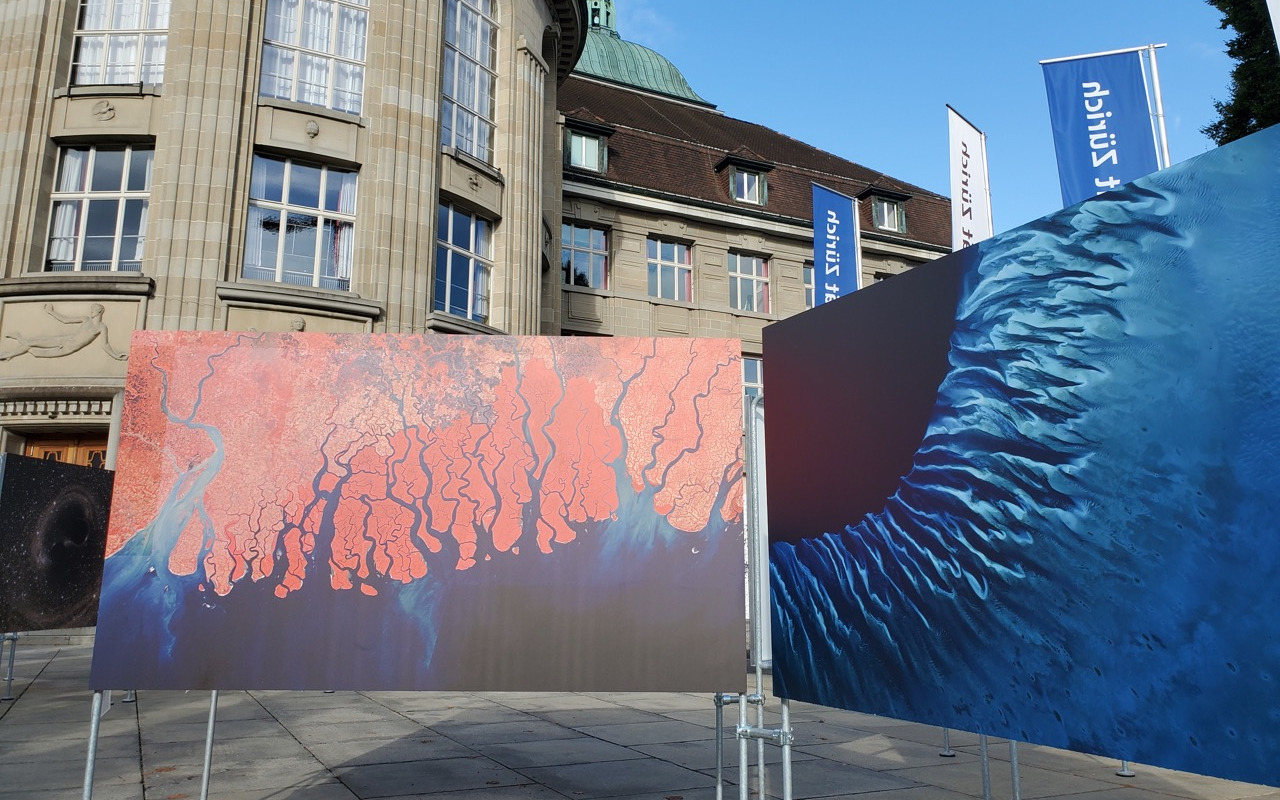
New chapter for Aesthetics of Wonder
UZH Space, in collaboration with the Faculty of Arts, is pleased to announce a new chapter for Aesthetics of Wonder. Following the latest exhibition, the large-scale images were unfortunately damaged during transport. A new collection is currently in production in which twelve of the images are being reinterpreted and transformed by emerging artists and student artists as part of a Faculty of Arts project.
-
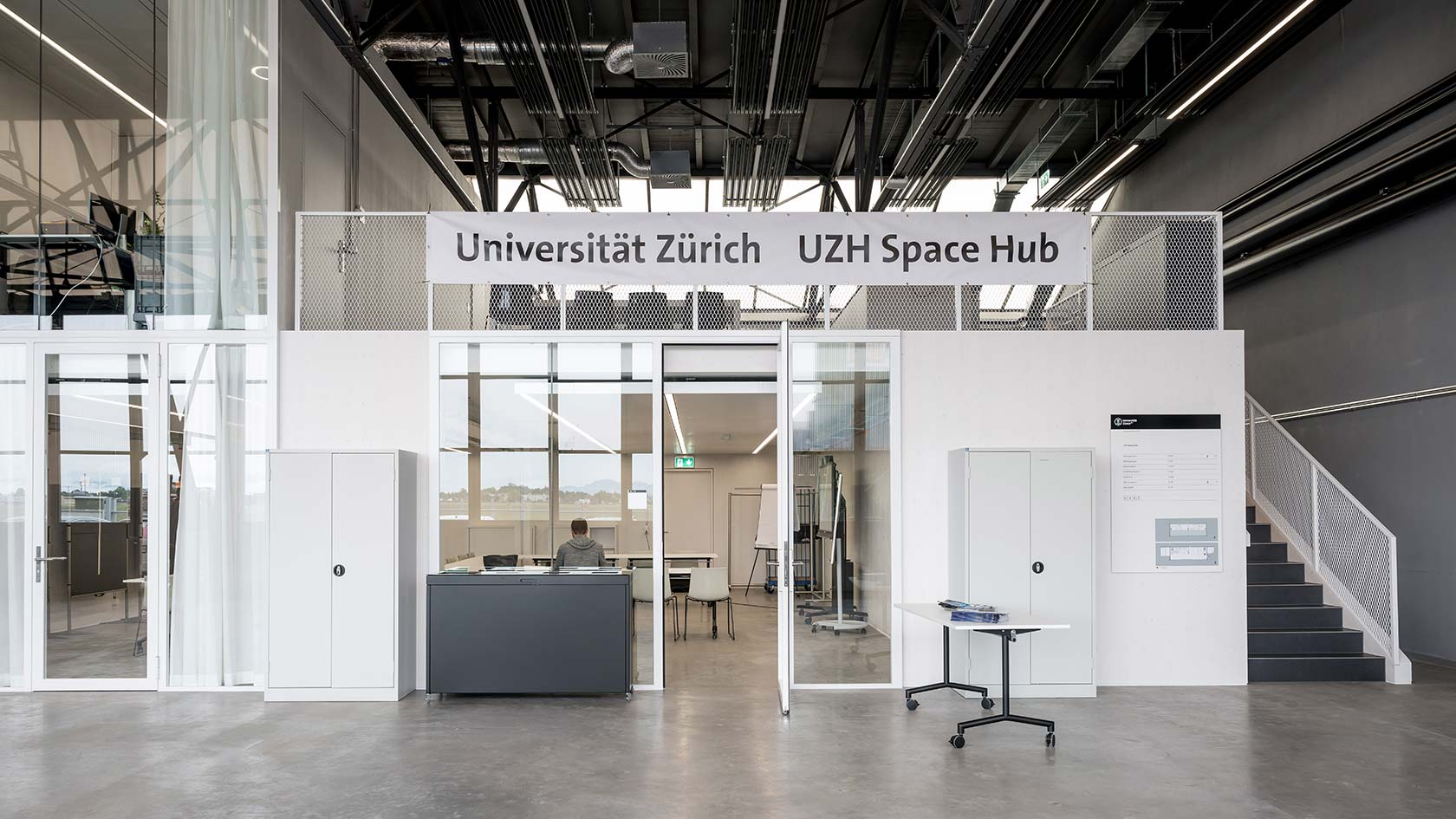
UZH Space Hub expands space and aviation ecosystem with three new users
The University of Zurich's Space Hub continues to grow: Starting February 1, three new organizations will be using the infrastructure at the Space Hub Hangar, thereby strengthening the space and aviation ecosystem in the areas of research, education, and technology transfer.
-
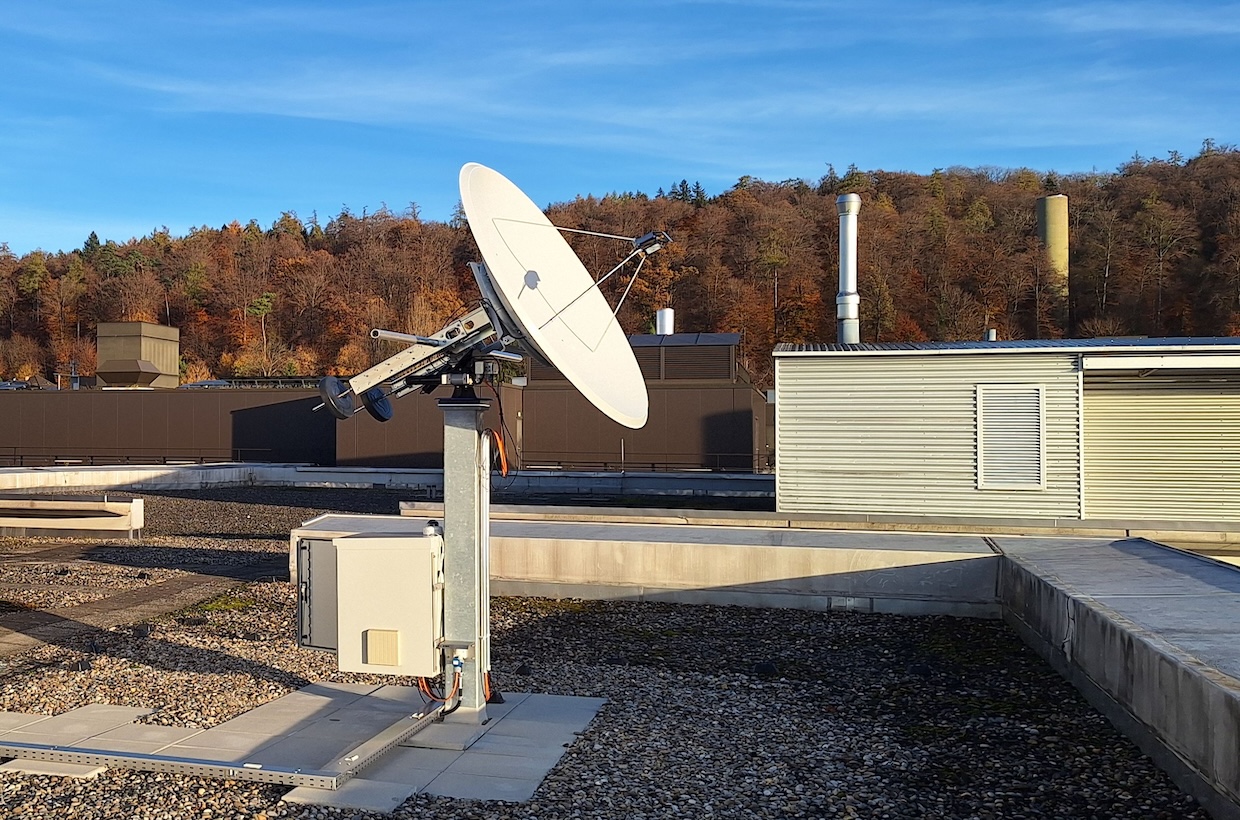
Physik-Institut participating in NASA study to track the Artemis II moon mission
NASA's Artemis II mission will launch in February 2026 with four astronauts on board for the first crewed mission around the moon in over 50 years. In August 2025, non-NASA organizations were invited to apply for a study to find out if and how data from small receiving stations can be used to determine the trajectory of the Orion spacecraft. The University of Zürich has been selected to participate in this study and will perform precise frequency measurements with its own roof-installed radio telescope.
-
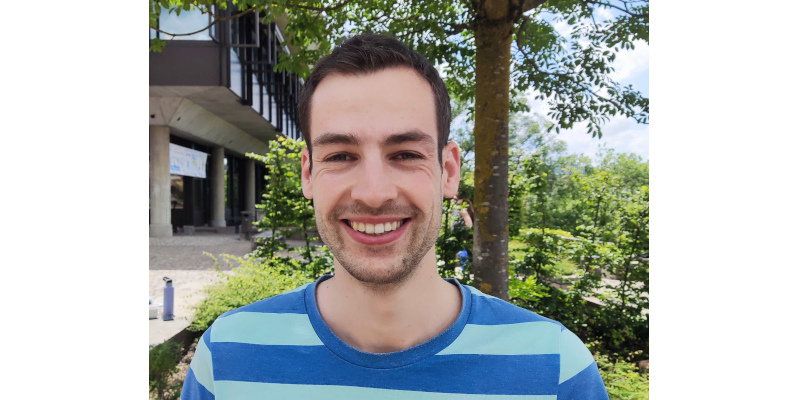
Bringing Machine Learning closer to People through Art
Lukas Drees, UZH Space representative and postdoctoral researcher at the EcoVision Lab at UZH as well as a member of the DIZH Public Data Lab, explains in this interview how he aims to bridge a gap between public perceptions of machine learning and what the technology actually is and can do, and why the Public Data Lab is particularly well suited to this task.
Read the full interview here -
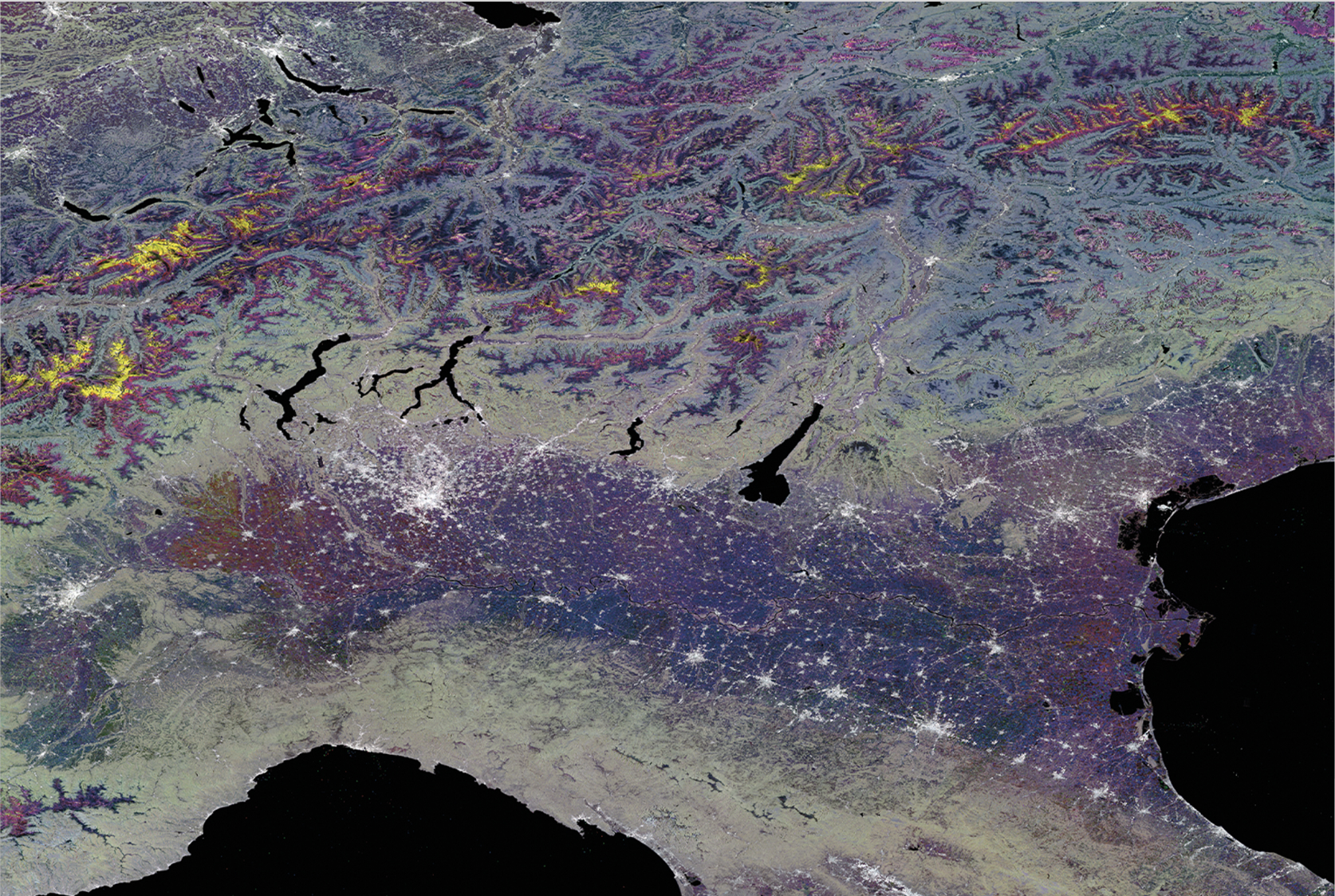
UZH Festive Card Snow 2025
This year’s UZH festive card features an image drawn from UZH research with a link to space-based observation. The selected image was contributed by the Department of Geography and is based on satellite data, showing dry snow on mountain peaks in yellow, while areas of consistently strong backscatter in urban regions appear in white.
The image was part of this year's exhibition “The Aesthetics of Wonder” at UZH. -
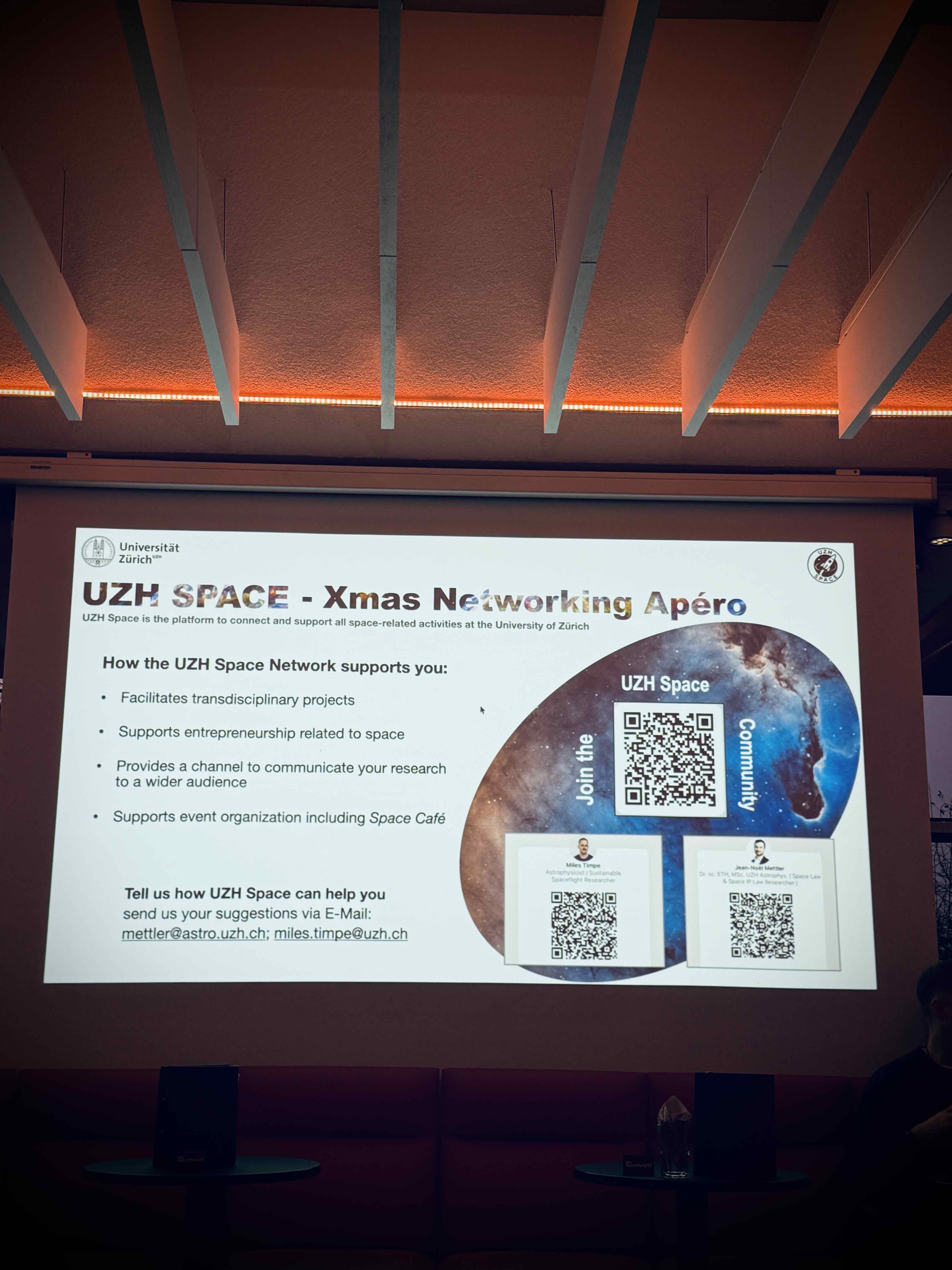
UZH Space - Networking Apéro 2025
UZH Space hosted an informal networking event open to the entire UZH Space community and researchers interested in joining the initiative. The gathering was particularly aimed at early-career researchers to strengthen grassroots support for transdisciplinary research within the UZH Space community.
-
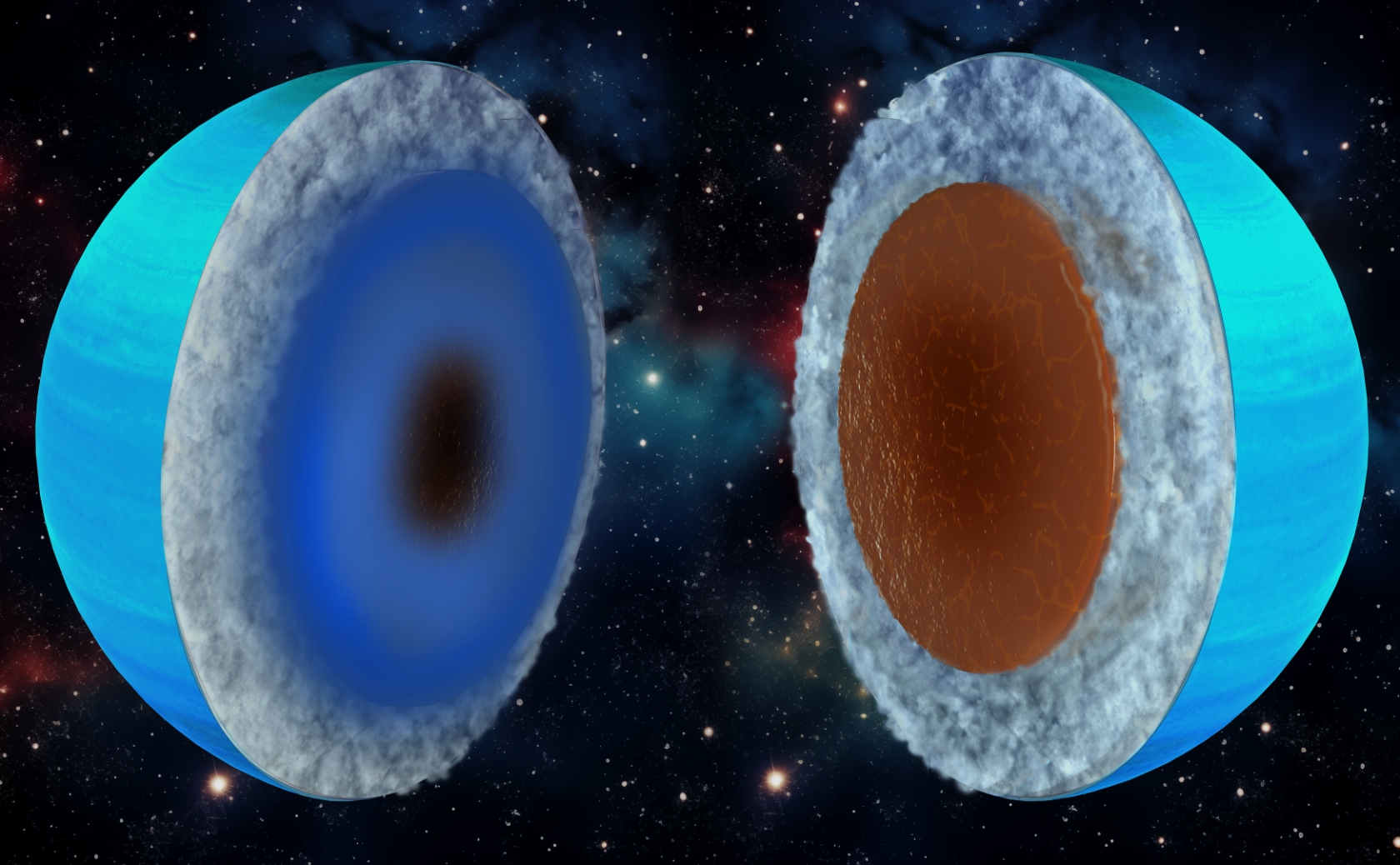
Uranus and Neptune Might Be Rock Giants
A team of researchers from the University of Zurich and the NCCR PlanetS is challenging our understanding of the Solar System planets’ interior. The composition of Uranus and Neptune, the two outer most planets, might be more rocky and less icy than previously thought.
-

Capturing the Cosmos: Exploring the art and science of astrophotography
On March 16, 2026, the Department of Astrophysics and UZH Space hosted a special public astrophotography event celebrating the beauty of the cosmos.
Guests enjoyed a gallery-style exhibition of stunning images captured by members of the department, alongside an apéro and engaging presentations highlighting the creative process, technical challenges, and the stories behind the images and telescopes.
- Job opportunity in International Space Law and Law of the Sea
- UZH at the 2026 Swiss-Korean Innovation Week: Exploring the Universe Across Scales
- ESA Mission to Explore Understory Biodiversity
- Meet a Space Scientist: Prof. Dr. Jan B. Schmutz
- Physik-Institut participating in NASA study to track the Artemis II moon mission
- Interview Lukas Drees
- UZH Festive Card 2025
- UZH Space - Networking Apéro 2025
- Uranus and Neptune Might Be Rock Giants
- Capturing the Cosmos: Exploring the art and science of astrophotography